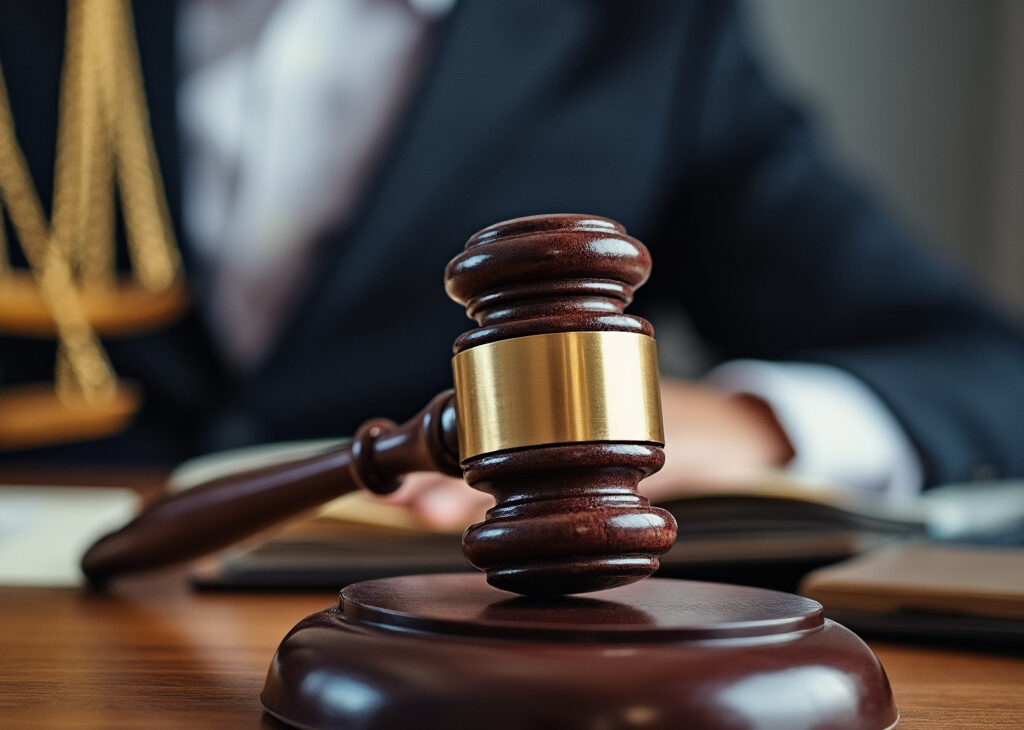
A federal appeals court has ruled against a Missouri law that prohibited lawmakers from taking lobbying jobs shortly after leaving office. The decision, handed down on Monday, July 29, 2024, by the 8th District Court of Appeals, found that the ethics legislation infringed upon the free-speech rights of former legislators transitioning into lobbying roles.
The law in question was part of a constitutional amendment approved by Missouri voters in 2018. It imposed a two-year “cooling-off” period before former lawmakers and Capitol staff could become lobbyists, aiming to prevent the exploitation of political influence for lucrative lobbying opportunities.
However, the appellate judges concluded that the potential for corruption did not justify the restriction on free speech. In their ruling, they stated, “The fact that former legislators and legislative staff maintain superior relationships… to current lawmakers and their staff does not imply that corruption is occurring.”
The lawsuit challenging the waiting period was filed by former Republican state representative Rocky Miller and a firm interested in hiring him as a lobbyist. Cole Bradbury, Miller’s attorney, praised the court’s decision, saying in a statement, “The law was founded on nothing more than the notion that ‘lobbying’ is negative.” He emphasized that the court recognized lobbying as a protected activity under the First Amendment.
This ruling marks a significant shift from a previous decision in April 2023, when U.S. District Judge Doug Harpool upheld the ban. At that time, Harpool wrote, “A former public official’s acceptance of a lobbying position months or even days after departing government, makes reasonable the belief that those officials may have exchanged political favors for their positions—and salaries—as lobbyists.”
The overturning of the lobbying ban has reignited debates about ethics in Missouri politics. Supporters of the original law argue that it was crucial for preventing corruption and maintaining public trust in the legislative process. Critics, however, contend that it unfairly restricted the career options of former public servants.
The Missouri Ethics Commission, responsible for enforcing the law, has not yet commented on the ruling. A spokesperson for the Missouri Attorney General’s Office, which represents the commission in legal matters, stated that they are currently reviewing the decision.
This case highlights the ongoing tension between efforts to curb potential corruption in politics and the protection of free speech rights. As the ruling is likely to lead to the dissolution of the ban, it may have far-reaching implications for how Missouri and other states approach ethics regulations for former lawmakers.
Citations:
[1] https://apnews.com/article/lobbying-ethics-missouri-lawmaker-40ff2f50fca5be158813f01eb823a367
[2] https://missouriindependent.com/briefs/federal-court-strikes-down-missouris-revolving-door-lobbying-ban/
[3] https://missouriindependent.com/2023/04/03/judge-rejects-ex-missouri-lawmakers-push-to-overturn-revolving-door-ban-on-lobbying/
[4] https://mec.mo.gov/MEC/Lobbying/Home.aspx
[5] https://www.courthousenews.com/missouri-defends-lobbying-waiting-period-for-lawmakers-at-eighth-circuit/
[6] https://www.governing.com/management-and-administration/missouri-house-speaker-faces-ethics-investigation
[7] https://www.kansascity.com/news/politics-government/article256685827.html
Last modified: June 20, 2025